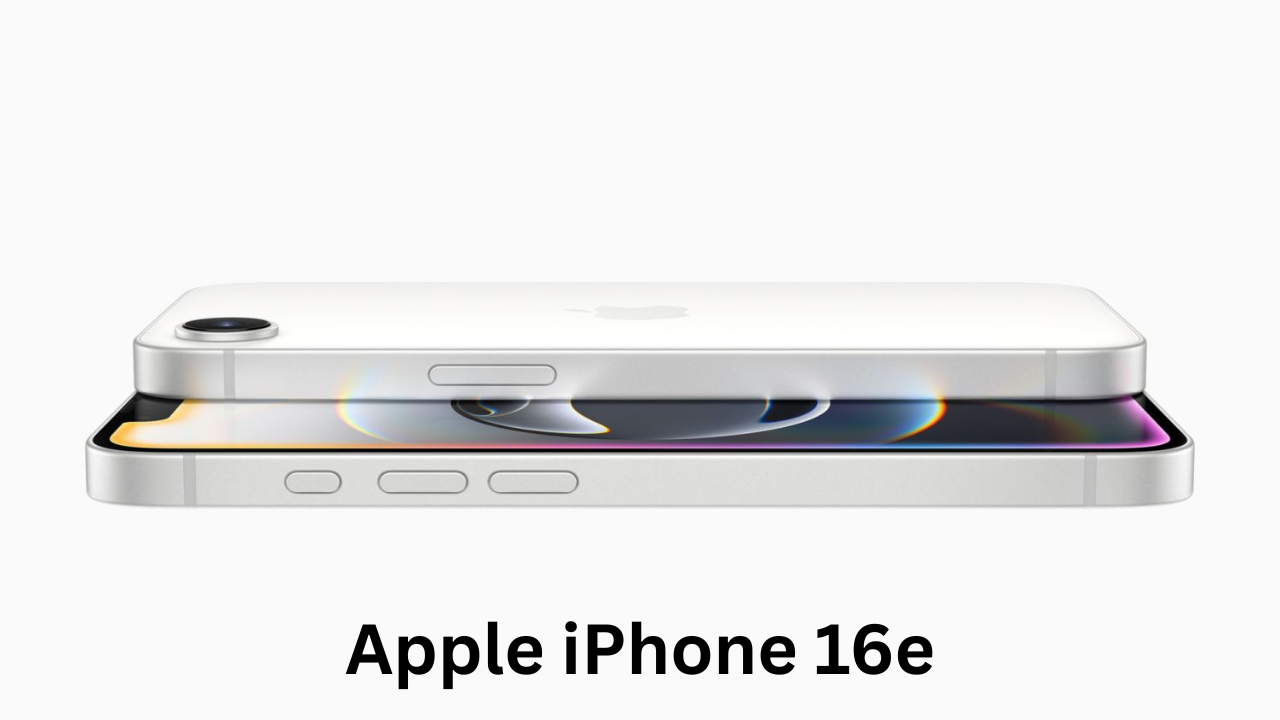
The Apple iPhone 16e brings a capable single-lens camera system to Apple’s most affordable iPhone lineup in 2025. Launched in February 2025 and still relevant in 2026, this budget-friendly device focuses on core photography strengths rather than multiple lenses, delivering reliable results that surprise many users.
Priced from $599, the iPhone 16e targets buyers who want the smooth iOS experience and strong everyday imaging without paying for Pro features. Its 48MP Fusion camera relies on advanced computational photography to handle a wide range of scenarios. In this hands-on camera test, we explore real-world performance across lighting conditions, zoom capabilities, and video recording to help you decide if it meets your needs.
Table of Contents
Design and Build: Compact and Practical for Shooting
The iPhone 16e keeps things simple with an aluminum frame and glass back, offering a familiar, comfortable grip. The single rear camera sits flush without a large bump, making it easy to hold steady during shots.
Size and Weight:
- Dimensions: 146.7 x 71.5 x 7.8 mm (5.78 x 2.82 x 0.31 inches)
- Weight: 167 grams (5.88 ounces)
This lightweight and compact size makes one-handed photography effortless, whether you’re capturing quick street shots or steadying for low-light images. It carries an IP68 rating for dust and water resistance, so you can shoot confidently in light rain or dusty environments without worry.
Storage Options
Choose from:
- 128GB
- 256GB
- 512GB
All models include 8GB of RAM and fast NVMe storage. The 128GB base suits casual photographers, while higher options give room for 4K videos, RAW experiments (via third-party apps), and large photo libraries. No microSD expansion means planning ahead for your media needs.
Display: Accurate Previews and Editing On the Go
The 6.1-inch Super Retina XDR OLED display offers a 2532 x 1170 resolution at 460 ppi. It reaches up to 1200 nits peak brightness for clear outdoor viewing and supports HDR for vibrant photo previews.
A standard 60Hz refresh rate keeps scrolling smooth enough for reviewing galleries or editing shots. The notch design houses the front camera, and Ceramic Shield front glass provides solid scratch resistance. Colors appear natural and accurate, helping you judge exposure and tones right on the device before sharing.
Camera System: 48MP Fusion Main in Action
The iPhone 16e features a single 48MP wide camera (f/1.6 aperture, 26mm equivalent, with optical image stabilization). By default, it outputs 24MP images through pixel binning for better light gathering and detail. You can also shoot full 48MP JPEGs when you want maximum resolution for cropping or large prints.
In daylight, the camera shines with sharp details, excellent dynamic range, and Apple’s signature natural color science. Exposures stay balanced, skin tones look flattering, and textures pop without excessive sharpening. The 2x “optical-quality” zoom comes from cropping the central portion of the sensor, producing usable results for portraits or tighter compositions — better than pure digital zoom on many competitors.
For portraits, the single lens enables computational depth mapping with adjustable bokeh. Edge detection works well on people and simple subjects, though complex scenes may show minor inaccuracies compared to multi-lens setups.
Low-light and Night Mode Performance: Night mode activates automatically and delivers surprisingly clean, bright images with good detail retention. Optical stabilization helps keep shots sharp even during handheld longer exposures. While it doesn’t match Pro models with sensor-shift tech in every scenario, most users find low-light results more than adequate for social media and memories. Noise stays controlled, though fine details can soften slightly.
The lack of a dedicated ultrawide lens is the biggest limitation. You can’t capture expansive landscapes or tight indoor groups as easily, and there’s no true macro mode — close-ups rely on the main sensor and work decently from about 10-15cm away.
The 12MP front camera (f/1.9) handles selfies reliably with Smart HDR, producing natural skin tones and good detail for video calls or social posts. It lacks autofocus but performs consistently in varied lighting.
Overall, the iPhone 16e camera test shows strong point-and-shoot reliability. It prioritizes ease and consistency over versatility, making it ideal for families, travelers, or anyone who wants “just works” photography.
Video: Solid 4K Recording with Everyday Stability
Video capabilities include 4K at up to 60fps on the rear camera, with excellent Dolby Vision HDR support for rich colors and contrast. Optical image stabilization combined with electronic stabilization delivers smooth footage during walking or light movement — great for casual vlogs or family events.
Colors remain consistent with still photos, and audio capture benefits from wind noise reduction. Slo-mo options go up to 240fps in HD. The front camera supports solid 1080p or 4K video for selfies and calls.
While advanced creators may miss ultrawide angles or more Pro controls, everyday users appreciate the reliable stabilization and natural look. In real-world tests, daylight video looks crisp and vibrant, while low-light clips hold up with acceptable noise levels.
Performance: A18 Chip Powers Fast Processing
The Apple A18 chip (6-core CPU, 4-core GPU, 16-core Neural Engine) handles computational photography effortlessly. It enables quick HDR merging, night mode processing, and Smart HDR without lag, even in burst mode or when applying effects.
Paired with 8GB RAM, the iPhone 16e feels snappy for shooting, editing in Photos app, or running Apple Intelligence features that enhance images. Thermal management keeps things cool during extended video recording.
Battery and Charging: Plenty of Power for Shooting Sessions
A 4005mAh battery delivers impressive endurance — up to 26 hours of video playback and strong all-day mixed use, including plenty of camera time. Many users report finishing heavy photography days with 30-40% remaining.
Wired charging via USB-C is supported, along with basic Qi wireless up to 7.5W (no MagSafe on this model). The efficient A18 chip helps stretch battery life, so you can shoot more without constant top-ups.
Biometrics and Sensors Apple iPhone 16e
Face ID provides secure unlocking and authentication, working reliably even with glasses or in low light. It supports Apple Pay and app security seamlessly.
Standard sensors include accelerometer, gyroscope, proximity, ambient light, and barometer. These aid stabilization, auto-brightness, and orientation-aware features during shoots.
Cellular Network and Connectivity
The iPhone 16e supports full 5G with Apple’s C1 modem for efficient connectivity and good signal performance. Dual eSIM (or nano-SIM + eSIM depending on region) keeps things modern.
Other features: Wi-Fi 6, Bluetooth 5.3, USB-C with data transfer, and stereo speakers for reviewing videos. No MagSafe means standard wireless charging only, which some users note as a minor inconvenience for accessories.
Operating System: Clean iOS Experience with Camera Enhancements
Out of the box, it runs iOS 18 (upgradable to the latest versions, including iOS 26 in 2026). The interface stays bloat-free, with intuitive Camera app controls, quick Portrait mode access, and integration with Apple Intelligence for smarter editing suggestions.
Long-term software support ensures camera features and security stay current for years. The minimalist design makes switching modes and reviewing shots straightforward.
What’s in the Box Apple iPhone 16e
Apple’s packaging remains minimal and eco-friendly:
- iPhone 16e handset
- USB-C to USB-C cable
- Documentation and safety info
- Apple stickers (region-dependent)
No charger or earbuds included — reuse existing accessories or pair with a compatible fast charger.
Final Verdict: Reliable Everyday Camera for Most Users
The Apple iPhone 16e camera system proves that a single well-tuned 48MP lens can deliver excellent results for daily life. Daylight shots impress with sharpness and natural tones, 2x zoom works better than expected, and night mode often surprises with its clarity and low noise. Video recording adds versatility for casual creators, while the compact design makes shooting enjoyable.
Its main drawback is the absence of an ultrawide lens, limiting creative options for landscapes or groups. If you rarely need wide-angle shots and value simplicity, consistency, and the full Apple ecosystem, this camera performs admirably at its price point.
For enthusiasts wanting more flexibility, stepping up to a standard iPhone 16 with dual cameras makes sense. But for families, students, or anyone seeking reliable point-and-shoot performance without complexity, the iPhone 16e holds strong value.
Pros of iPhone 16e Camera:
- Sharp, natural daylight photos with great dynamic range
- Impressive night mode and low-light results
- Smooth 4K video with reliable stabilization
- Fast processing thanks to the A18 chip
- Compact size perfect for everyday carry
Cons:
- No ultrawide lens for expansive scenes
- 2x zoom is cropped rather than true optical
- Limited macro capabilities
- No advanced Pro RAW or Log video
Have you tried the iPhone 16e camera yet? How does it compare to your current phone for real-world shooting? Share your experiences or questions below — I’d love to hear what you think!
