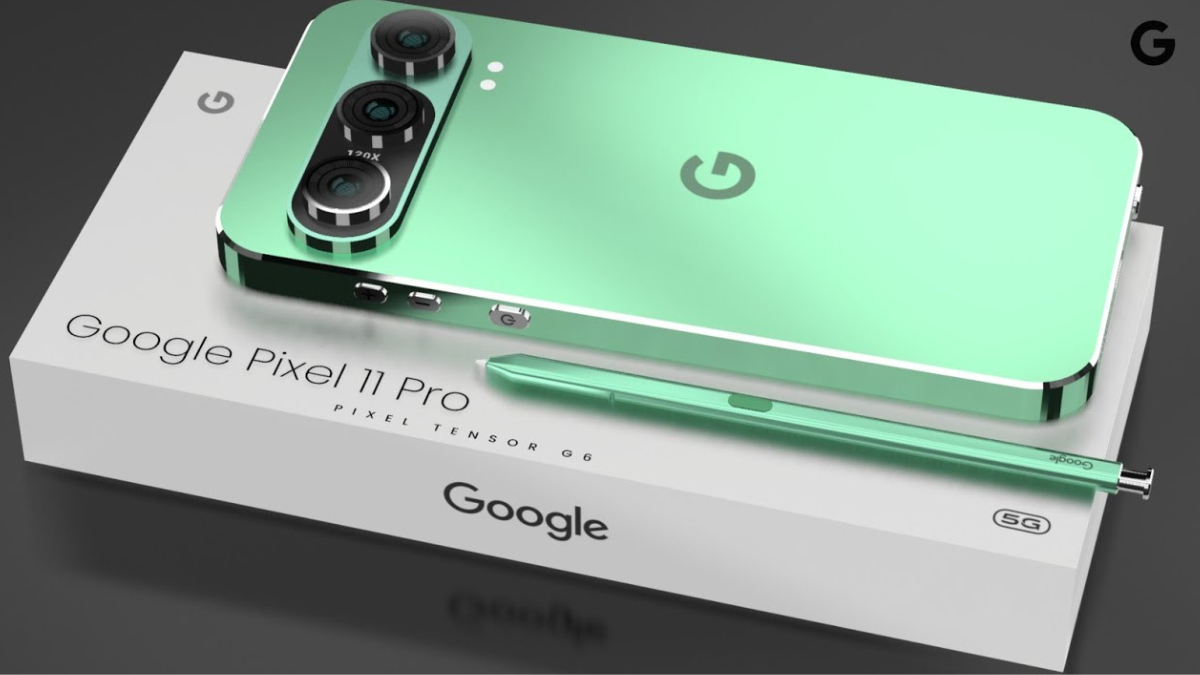
The Google Pixel 11 Pro is shaping up as Google’s 2026 flagship, expected to launch in August 2026 during the annual “Made by Google” event. Building on the strengths of the Pixel 10 series, it focuses on refined AI capabilities, better efficiency, and the signature Pixel photography experience powered by computational magic rather than extreme hardware specs.
While many 2026 competitors chase massive megapixel counts or modular designs, the Pixel 11 Pro emphasizes clean software, intelligent features, and consistent real-world performance. This guide covers everything known so far about its design, display, performance, camera system, battery, and value, based on credible leaks and reports as of April 2026.
Table of Contents
Design and Build: Subtle Refinements with Familiar Google Pixel 11 Pro Style
The Pixel 11 Pro is expected to retain the iconic design language of recent Pro models, with a flat frame and the distinctive horizontal camera bar on the back. Leaks suggest dimensions around 152.7 x 71.8 x 8.4mm—slightly thinner and more compact than the Pixel 10 Pro—making it comfortable for one-handed use.
The rear features a premium glass finish protected by Corning Gorilla Glass Victus 2, with an aluminum frame for durability. IP68 water and dust resistance remains standard. The camera bar may receive a minor update, potentially appearing slimmer or in an all-black finish for a more modern look.
Color options are likely to include classic Pixel shades such as Obsidian, Porcelain, and new seasonal tones. A side-mounted fingerprint sensor or under-display option could return, alongside improved haptics and stereo speakers. Overall, the design evolves incrementally, prioritizing practicality and the clean aesthetic that Pixel fans love.
Display: Bright and Smooth LTPO AMOLED Google Pixel 11 Pro
Expect a 6.3-inch LTPO AMOLED panel with adaptive 1-120Hz refresh rate for fluid scrolling and power efficiency. Resolution sits around 1280 x 2856 pixels (or similar QHD+ level), delivering sharp visuals with excellent color accuracy and HDR support.
Brightness levels should reach or exceed 3000 nits peak, ensuring great outdoor visibility. The flat screen design with slim bezels maximizes the screen-to-body ratio, while features like Always-On Display and smooth animations benefit from Google’s software tuning.
This panel excels for media consumption, photo editing, and everyday tasks. Compared to some rivals with higher refresh rates or larger sizes, it strikes a practical balance suited to the compact Pro form factor.
Performance: Tensor G6 with Improved Efficiency Google Pixel 11 Pro
The heart of the Pixel 11 Pro is Google’s custom Tensor G6 chipset, manufactured on a more advanced 2nm process (with possible TSMC involvement). Rumors point to a 7-core configuration and a switch to a MediaTek modem (M90 or similar), addressing past concerns around signal strength, heat, and efficiency seen in earlier Tensor generations.
Paired with 16GB LPDDR5X RAM and storage options starting at 128GB or 256GB (up to 1TB), the phone should handle multitasking, gaming, and heavy AI workloads more smoothly. The new modem and process node promise better battery efficiency, reduced throttling, and improved 5G connectivity.
In real-world use, expect snappier app performance, faster on-device AI processing for features like photo editing and live translation, and sustained performance during extended sessions. While it may not lead raw benchmarks against Snapdragon 8 Elite rivals, Google’s deep software-hardware integration often delivers a more responsive daily experience.
The device is set to launch with Android 17, bringing deeper Google AI integrations, enhanced privacy tools, and long-term update support—typically seven years of OS and security patches.
Camera System: Computational Photography Excellence Google Pixel 11 Pro
The Pixel 11 Pro is rumored to retain a similar triple-camera setup to recent models for consistency:
- 50MP Main Camera with advanced sensor tuning for excellent dynamic range and low-light performance.
- 48MP Ultra-Wide for expansive shots with minimal distortion.
- 48MP 5x Telephoto (periscope) offering strong optical zoom for portraits and distant subjects.
Google’s computational photography remains the star—features like Magic Editor, Best Take, Add Me, and real-time AI enhancements deliver impressive results without manual tweaking. Video recording supports high-quality 4K or 8K options with excellent stabilization and audio capture.
While it lacks the 200MP sensors found in devices like the Xiaomi 16 Ultra or dual 200MP arrays in the OPPO Find X9 Ultra, the Pixel’s software often produces more natural, usable images in varied conditions. Expect further AI-driven improvements in 2026, such as smarter scene recognition and video tools.
A high-resolution front camera (around 42MP or better) handles sharp selfies and video calls.
Battery Life and Charging: Solid Everyday Endurance
Leaks point to a battery around 4870mAh (similar to or slightly improved over the Pixel 10 Pro), optimized by the efficient Tensor G6 and LTPO display for all-day usage. Google’s AI power management helps extend runtime during photography, streaming, or navigation.
Charging includes approximately 30W wired and 15W wireless (with Qi2 support). While not the fastest in 2026—compared to 120W options on some Android flagships—it provides reliable top-ups without excessive heat. Reverse wireless charging adds convenience for accessories.
This setup prioritizes balanced endurance over speed, suiting users who value consistent performance over ultra-rapid recharges.
Software, Connectivity, and Extra Features
Android 17 with Pixel-exclusive features delivers a clean, bloat-free experience packed with AI tools. Expect advancements in Gemini integration, smarter Assistant responses, and productivity enhancements.
Connectivity covers Wi-Fi 7, Bluetooth advancements, NFC, USB-C, and comprehensive 5G bands. Additional perks include improved face unlock (possibly with better hardware support), UWB for precise tracking, and seamless integration with the Google ecosystem (Pixel Watch, Buds, and Nest devices).
Google Pixel 11 Pro vs Pixel 10 Pro: Expected Upgrades
The Pixel 11 Pro brings several meaningful refinements:
- Newer Tensor G6 with better efficiency and MediaTek modem for improved connectivity and thermals.
- Potential minor design tweaks, including a slimmer camera bar.
- Android 17 out of the box with enhanced AI features.
- Sustained 16GB RAM and optimized battery management.
Camera hardware may see tuning rather than major changes, focusing on software improvements. If you own a Pixel 10 Pro, the jump may feel incremental unless modem or efficiency issues affected your usage.
How It Compares to 2026 Flagships
Against high-spec rivals like the OPPO Find X9 Ultra (dual 200MP cameras, 7050mAh battery) or Xiaomi 16 Ultra (200MP periscope, 120W charging), the Pixel 11 Pro offers superior software experience, cleaner interface, and AI-driven photography that often feels more intuitive. It may trail in raw zoom reach or charging speed but excels in consistent results and long-term support.
Compared to the Vivo X300 Ultra or modular systems, it provides a more straightforward, pocketable experience without add-ons. Versus the Sony Xperia 1 VII, it emphasizes AI and ecosystem integration over manual pro controls and audio features.
The Pixel’s strength lies in its holistic package—great cameras, smart software, and reliable performance—rather than chasing single-spec extremes.
Who Should Buy the Google Pixel 11 Pro?
This phone suits users who prioritize clean Android, intelligent AI features, and excellent computational photography. Photography enthusiasts, everyday power users, and those deeply invested in Google services will appreciate its strengths.
If you need extreme battery life, ultra-fast charging, or the highest megapixel zoom, consider alternatives like the OPPO, Vivo, or Xiaomi models. For compact form factor and long software support, the Pixel 11 Pro remains a strong choice.
Expected Pricing and Availability
The Pixel 11 Pro is expected to start around $999–$1,099 in the US for the base variant (likely 16GB + 128GB or 256GB), with higher storage tiers scaling up. A modest price increase from previous generations is possible due to component costs.
In Bangladesh, unofficial or grey market pricing is anticipated around BDT 120,000–140,000 (or higher depending on configuration and import factors), based on patterns from prior Pixel launches. Official availability may roll out gradually after the global launch.
Pre-orders often include bundles like Pixel Buds or cases. Check Google’s official channels, authorized retailers, or trusted local platforms in Bangladesh for the latest deals, stock, and warranty details once announced.
Final Thoughts on the Google Pixel 11 Pro
The Google Pixel 11 Pro is poised to deliver another strong iteration of Google’s flagship formula: refined Tensor performance, outstanding AI-powered cameras, and a pure Android experience with years of updates. While hardware changes appear evolutionary—focusing on efficiency and modem improvements—the software and photography magic continue to set it apart in a crowded 2026 market.
For users who value smart features, natural images, and seamless integration over raw specs, this model could be the most enjoyable daily driver of the year. As more details emerge closer to the August launch, real-world testing will confirm how the Tensor G6 and AI enhancements perform.
If you are considering a Pixel upgrade or switching from another brand, the Pixel 11 Pro deserves attention for its thoughtful balance of capability and usability. Monitor official Google announcements for confirmed specs, and verify regional pricing and availability in Bangladesh through trusted sources.
